

Contributions to iNaturalist
iNaturalist is a Citizen Science platform that spans a website and an app which is used to collect data about wild organisms all over the world. Anyone with a cameraphone can contribute by photographing and uploading wild plants, animals, fungi, bacteria, and other life. These photos, along with their associated date and location, are added to a database of global life, where they can be viewed by hobbyists, researchers, and activists.
iNaturalist is where I spend the majority of my free time these days: Hiking to collect observations, helping to identify other users’ posts, learning the morphology/ecology/ethology of my local California species, or even just casually logging the life I see on my daily dog walks.
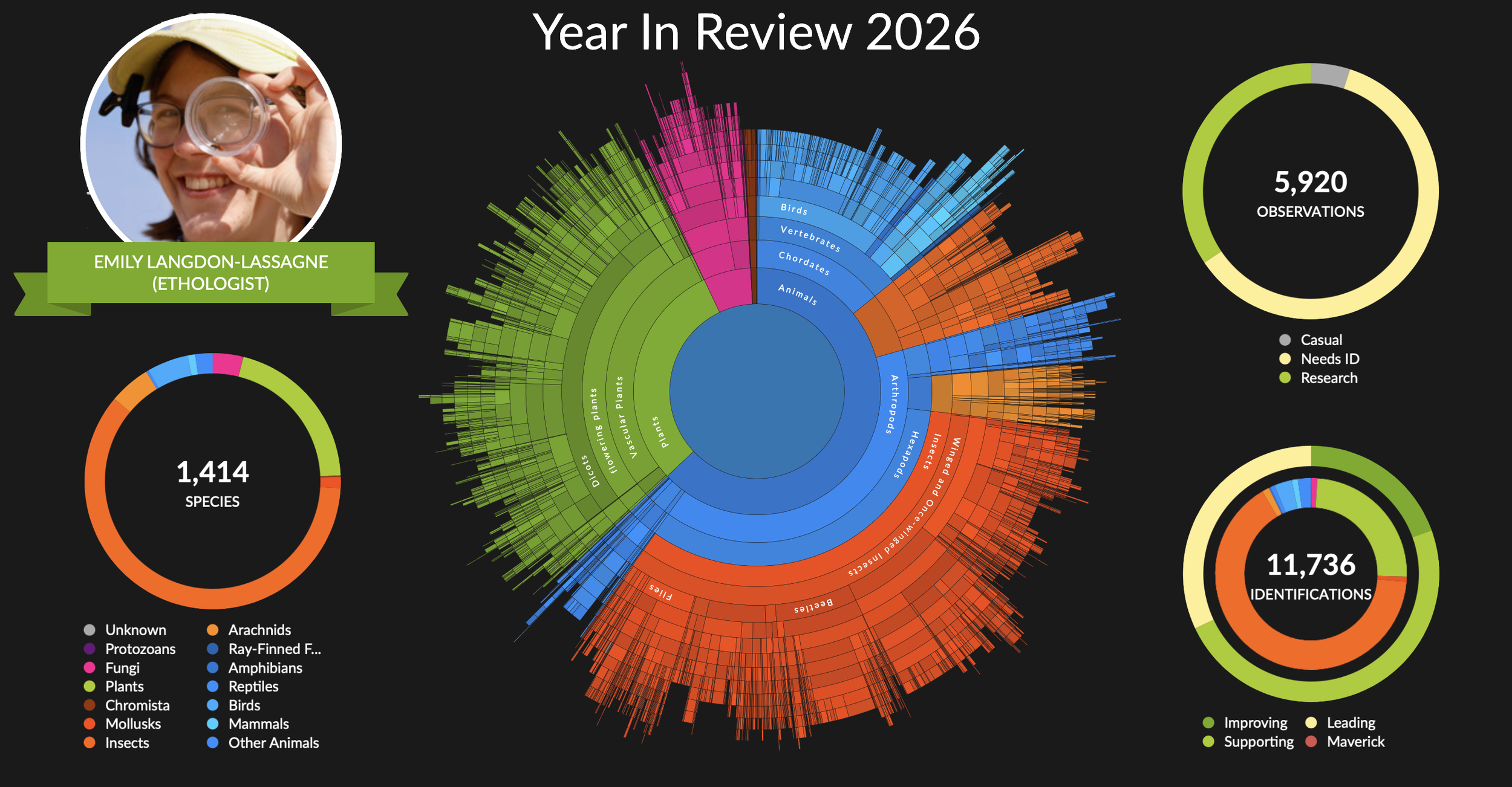
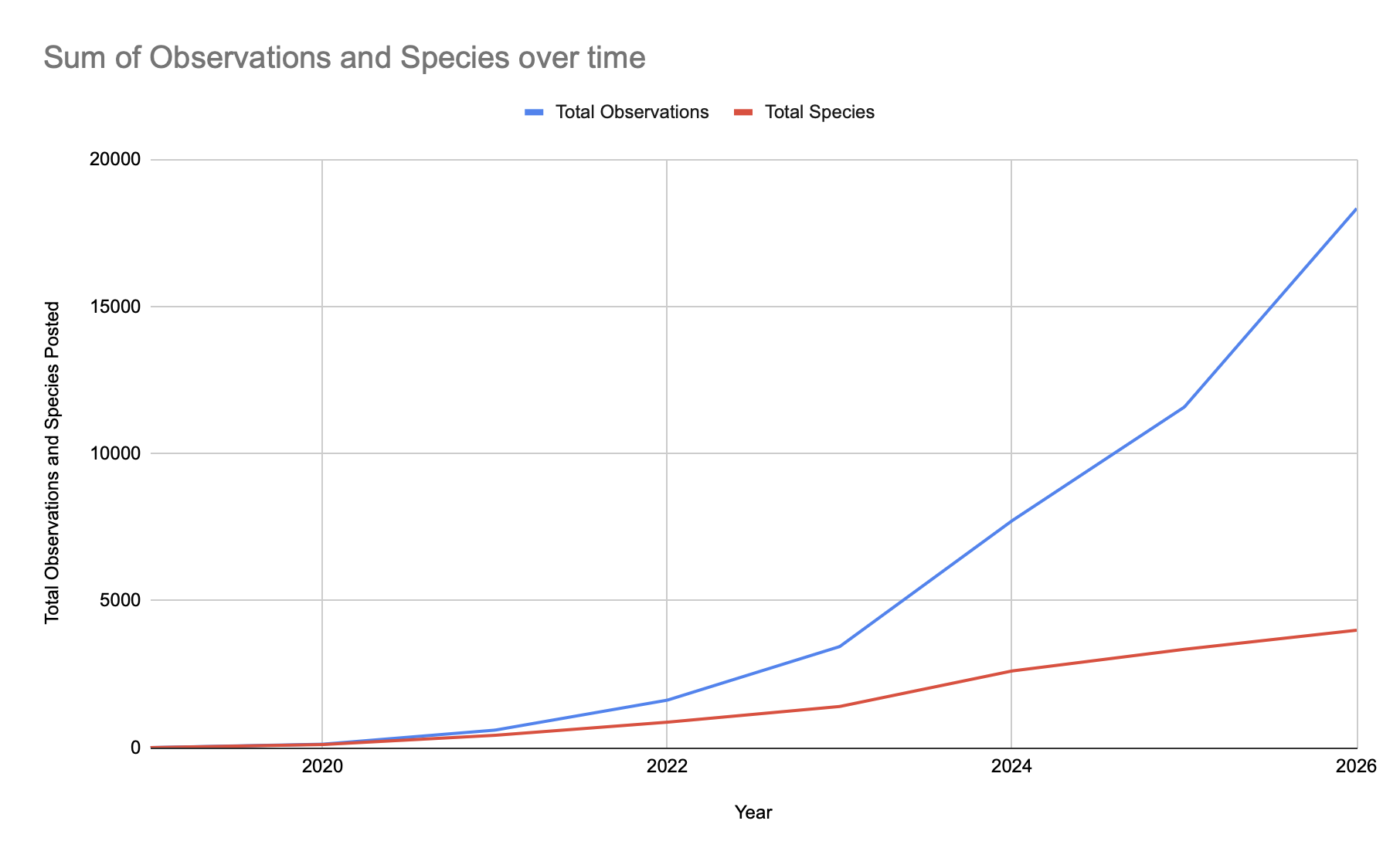
This graphic was last updated in July of 2026.
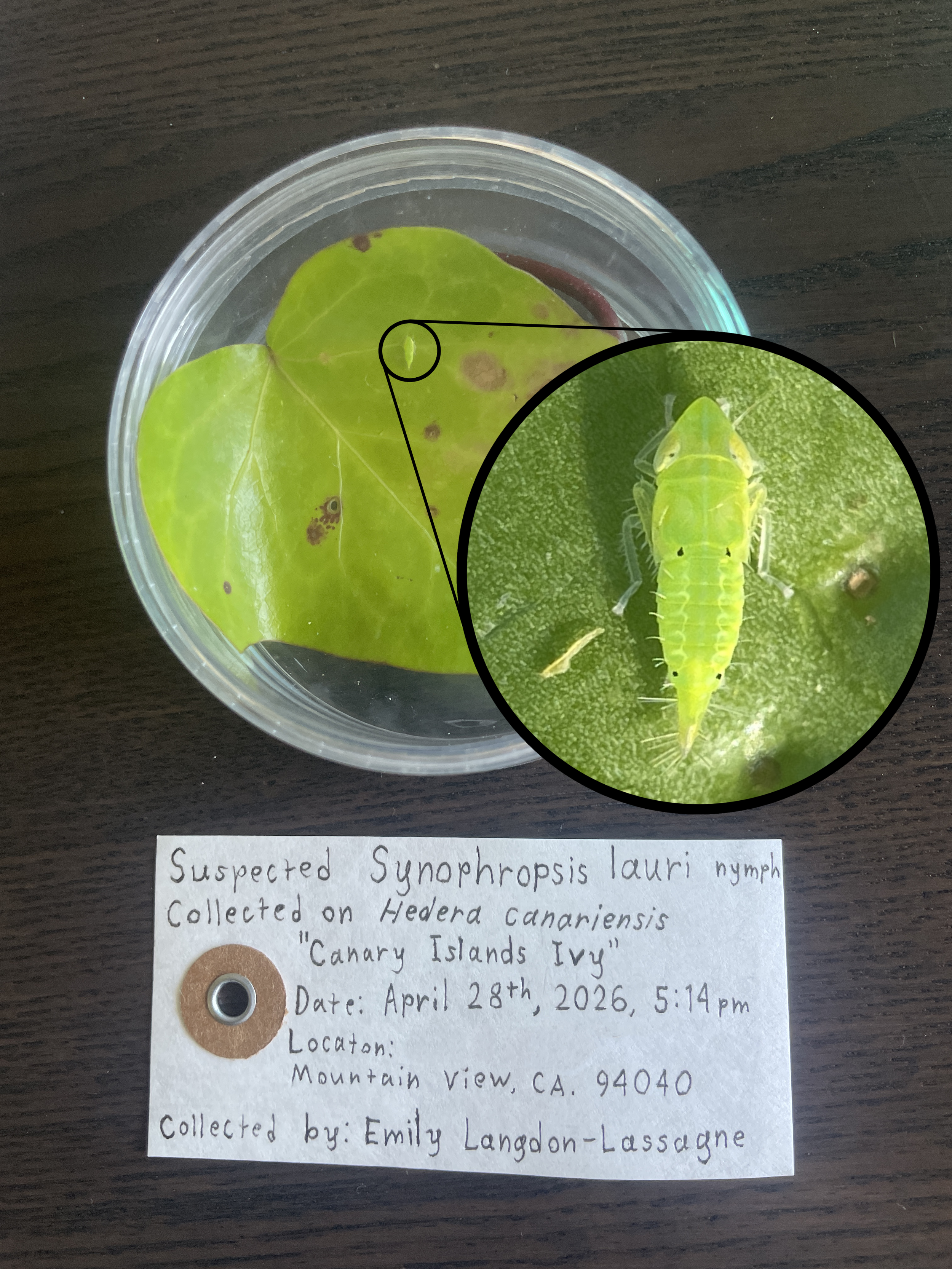
Synophropsis lauri
Paying attention to the little insects matters. In 2024, I became the first observer in the United States to find a Synophropsis lauri leafhopper. At the recommendation of my fellow iNaturalist community members, I reached out to my County’s Department of Agriculture & Environmental Management, and was instructed to try to collect a sample.
Nearly two years later, I succeeded in that task. Another S. lauri hopper appeared at my home, where I immediately recognized it, and was able to collect it. I subsequently worked in tandem with my contacts at the Dept. of Agriculture to confirm what their local host plant was, and collect more samples, including the nymph you see on the right.
Genetic sequencing of the nymphs we collected showed that we were correct in our assessment that S. lauri was present, but also that two other new species had arrived in California: Placotettix taeniatifrons and Mimotettix sinuatus. My search for adults of these species is ongoing.
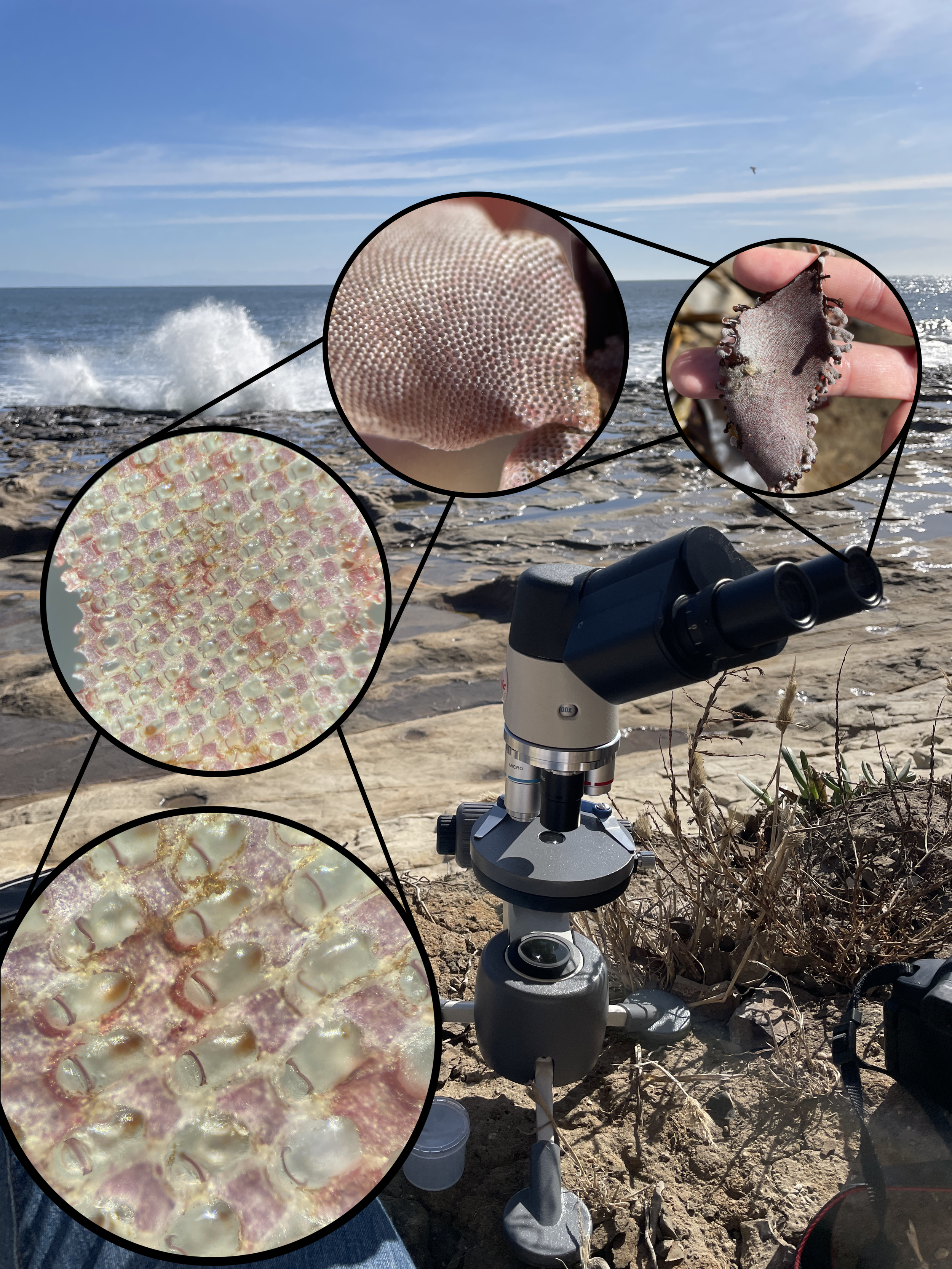
Microscopy
I grew up with at-home access to a compound microscope thanks to my nature-loving parents, and gained additional microscope literacy in my college biology classes. In fall of 2024 my beloved girlfriend gifted me this incredible field microscope that can magnify up to 400x, letting me view tiny organisms and structures that would otherwise be obscured from view.
Pictured on the left are photos I took of a Sargassum Sea Mat (Jellyella tuberculata) at Natural Bridges State beach during a King Tide in November of 2024.
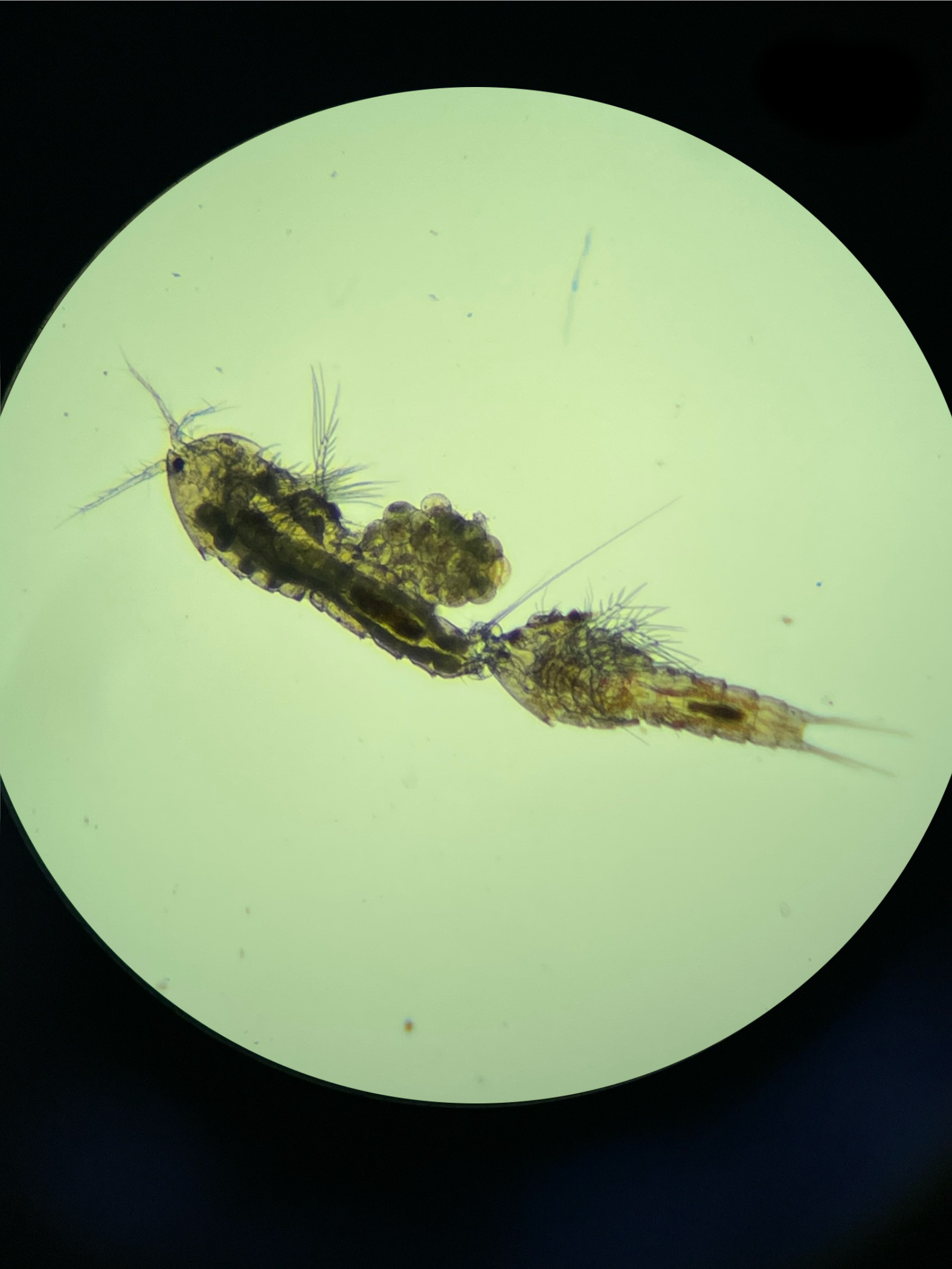
Attheyella dogieli
Rare or under-observed organisms are some of the most rewarding to find. Mindfully seeking out the littlest creatures means I’ve been able to find several organisms for which there are ten or fewer total iNaturalist observations of that species worldwide.
A few times, I’ve had the incredible opportunity to be the first —or only— observer of a given species on iNaturalist, as is the case with these lovely little copepods on the right. I found them in my favorite vernal pool at Pichetti Ranch, and gently returned them to their habitat after taking photos. Since I keep the licensing on my iNaturalist account set to CC0, it is my hope that these photos can be used by scientists and educators to help protect and steward our natural world.
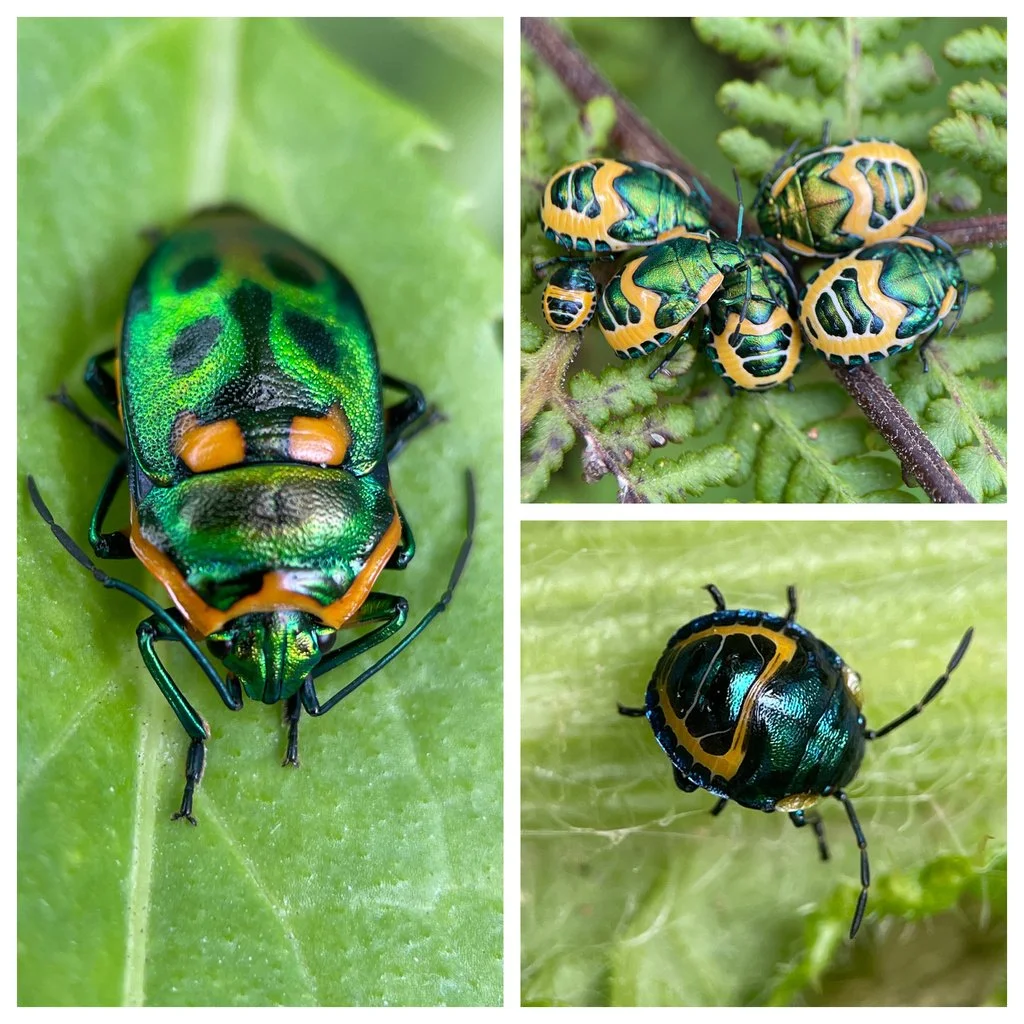
Metallic Shield Bug (Scutiphora pedicellata)
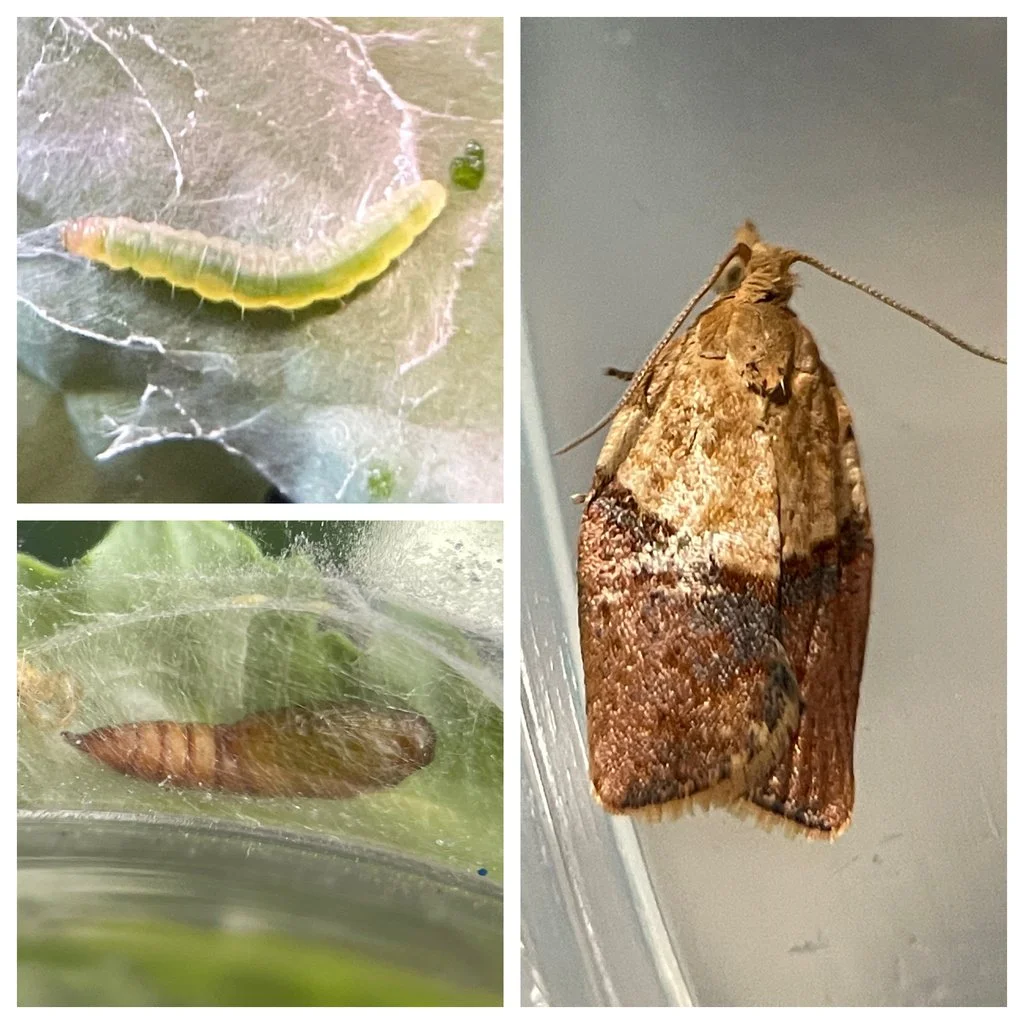
Life In Metamorphosis
In 2026, I set myself the lofty personal goal of posting 5,000 observations to iNaturalist before the year’s end.
I met that goal in June.
Next year, I’m setting a goal to get at least three more “Metamorphosis” observations, where I raise caterpillars or other larvae into adults in order to be able to better identify those larvae in the future. My following observation goal will be “30k by 30” where I try to hit 30,000 total observations on my account by fall of 2027, when I turn 30.
Light Brown Apple Moth (Epiphyas postvittana)